The Business Analytics & Corporate Performance Bulletin presents critical insights related to identifiers 7203070111, 4104698174, 120313226, 699310901, 7458195021, and 968022328. It highlights operational efficiency and market trends that can shape corporate strategies. By examining performance metrics, organizations can discern significant trends. This analysis raises essential questions about how data-driven strategies can enhance decision-making and overall corporate performance. Further exploration may reveal unforeseen opportunities and challenges.
Overview of Key Identifiers and Their Significance
In today’s data-driven landscape, a myriad of key identifiers plays a pivotal role in business analytics, serving as crucial metrics for decision-making processes.
Their identifier significance is paramount, as these performance indicators provide insights into operational efficiency and market trends.
Analyzing Trends Associated With Each Identifier
Key identifiers not only serve as foundational metrics but also reveal significant trends that inform business strategies.
Through trend analysis, each identifier’s impact can be assessed, uncovering patterns that highlight opportunities and risks.
By examining these trends, organizations can make informed decisions, enhancing their responsiveness to market fluctuations and optimizing operational efficiency.
Ultimately, this empowers them to navigate an ever-evolving business landscape.
Insights on Corporate Performance Metrics
How effectively are organizations leveraging corporate performance metrics to drive their strategic objectives?
The alignment of KPIs with performance benchmarks is crucial for accurate metric evaluation. Data visualization enhances understanding, enabling better efficiency measurement and outcome assessment.
Strategies for Leveraging Data for Enhanced Decision-Making
While organizations increasingly recognize the critical role of data in decision-making, many struggle to implement effective strategies for data utilization.
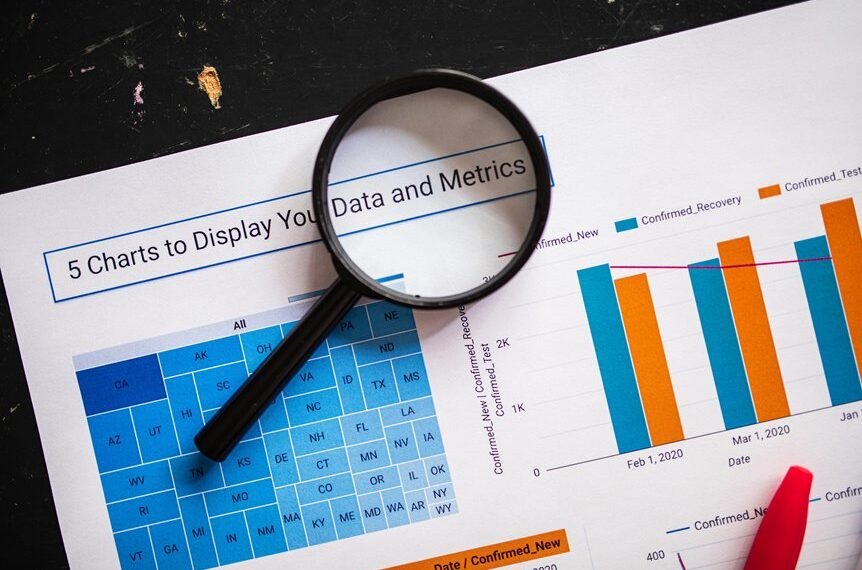
Employing data visualization enhances comprehension, allowing stakeholders to grasp complex information swiftly.
Meanwhile, predictive analytics empowers organizations to anticipate trends and make informed decisions.
Conclusion
In conclusion, the analysis of identifiers 7203070111, 4104698174, 120313226, 699310901, 7458195021, and 968022328 reveals a wealth of insights that can significantly enhance corporate performance. By embracing data-driven strategies and capitalizing on identified trends, organizations can turn challenges into opportunities. As the saying goes, “knowledge is power,” and leveraging these analytics will empower decision-makers to stay ahead in a competitive landscape, ultimately fostering sustainable growth and operational excellence.