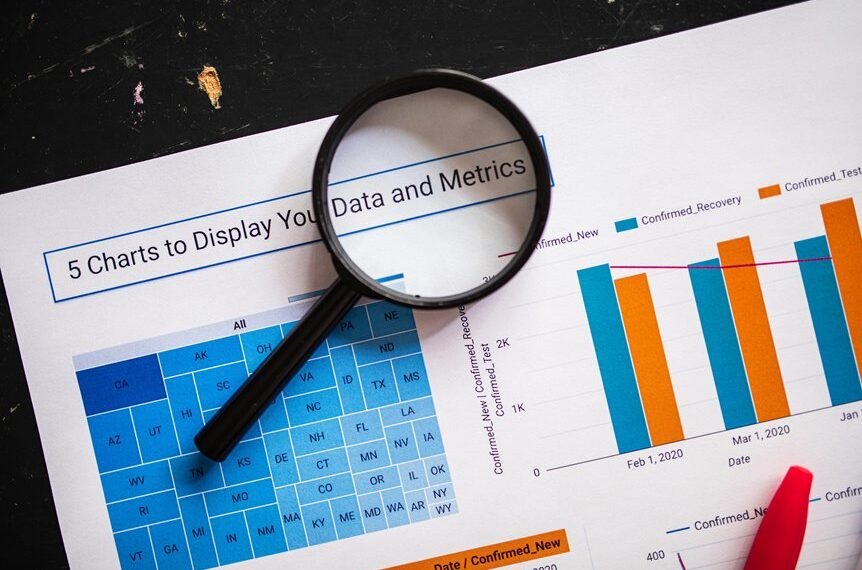
The Business Analytics & Corporate Intelligence Bulletin identifies key trends influencing organizational strategies. It emphasizes the critical role of advanced analytics in enhancing decision-making processes. Furthermore, it highlights essential tools and methodologies that can turn complex data into actionable insights. Understanding how to implement these strategies effectively is vital for maintaining competitiveness. This bulletin raises pertinent questions about the future of analytics in business, suggesting a landscape ripe for exploration.
Current Trends in Business Analytics
In recent years, a significant number of organizations have begun to embrace advanced business analytics as a critical component of their strategic frameworks.
The integration of predictive analytics enables businesses to forecast trends, while data visualization tools enhance the interpretation of complex datasets.
This dual approach not only facilitates informed decision-making but also empowers organizations to remain agile in a rapidly evolving marketplace.
Essential Tools for Corporate Intelligence
While organizations increasingly rely on data-driven insights, the selection of essential tools for corporate intelligence plays a pivotal role in shaping their strategic initiatives.
Effective data mining solutions facilitate the extraction of valuable patterns, while robust competitive analysis tools enable companies to stay ahead in the market.
Together, these instruments empower organizations to make informed decisions, fostering innovation and agility in their operations.
Methodologies for Effective Data Analysis
A variety of methodologies exists for effective data analysis, each designed to extract meaningful insights from complex datasets.
Techniques such as data visualization facilitate the comprehension of trends, while predictive modeling enables organizations to forecast future outcomes based on historical data.
Together, these methodologies empower businesses to make informed decisions, fostering a strategic approach that embraces data’s potential for enhancing operational efficiency and innovation.
Strategies for Implementing Data-Driven Decisions
To successfully implement data-driven decisions, organizations must establish a robust framework that integrates data analytics into their core operations.
This involves leveraging data visualization techniques to enhance understanding and facilitate communication of insights.
Additionally, employing predictive modeling allows businesses to anticipate trends and make informed choices.
Ultimately, these strategies empower organizations to harness data effectively, fostering a culture of informed decision-making and operational freedom.
Conclusion
In an era where data reigns supreme, how can organizations harness the power of advanced analytics to navigate an increasingly complex business landscape? This bulletin highlights the imperative for companies to adopt cutting-edge tools and methodologies, enabling them to not only anticipate market shifts but also to make informed, strategic decisions. By fostering a culture of data-driven insights, businesses can enhance their agility and innovation, securing a competitive advantage in a rapidly evolving marketplace.