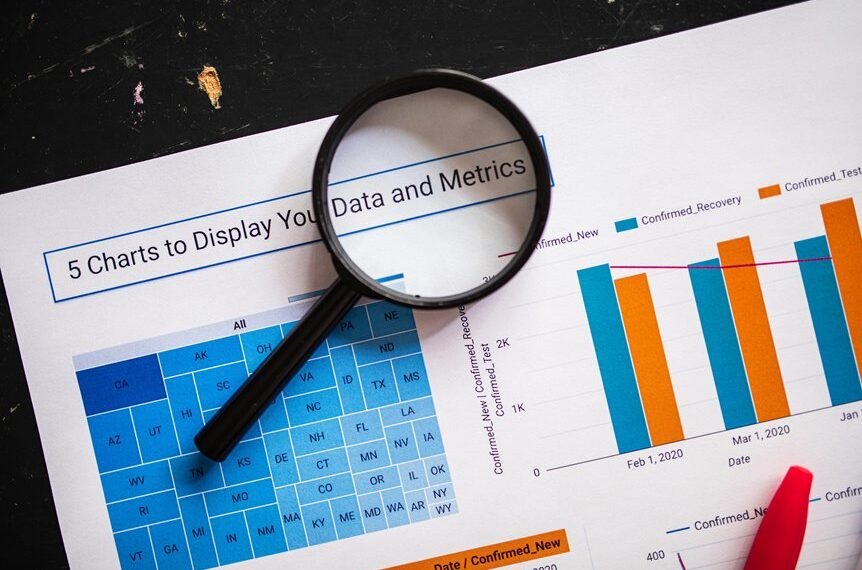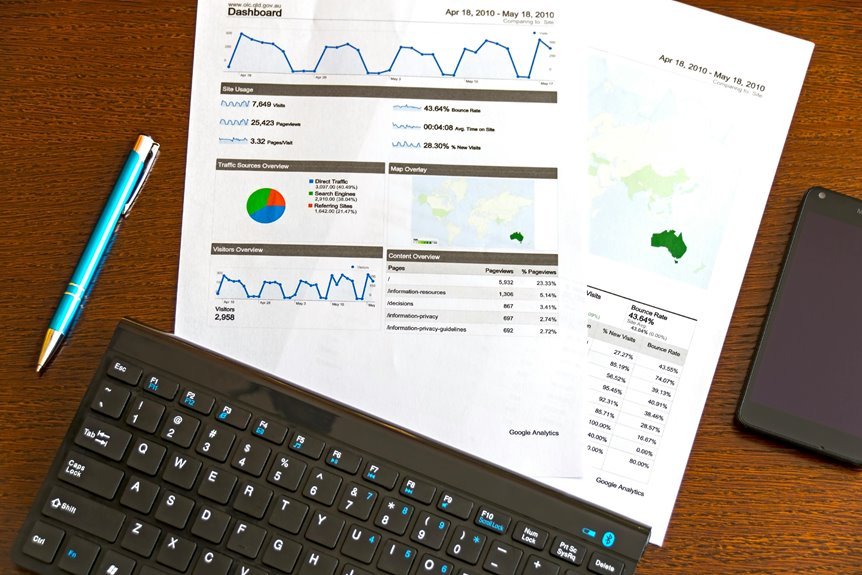
The corporate analytics and market performance overview for the specified identifiers highlights the critical role of data in shaping organizational strategies. Each entity employs analytical frameworks to assess market trends and optimize performance metrics. This reliance on data-driven insights not only enhances competitive positioning but also informs strategic initiatives. However, the implications of these findings for sustainable growth and future market dynamics warrant further exploration.
Analyzing Corporate Analytics Frameworks
As organizations increasingly rely on data-driven decision-making, understanding the various corporate analytics frameworks becomes essential for optimizing performance and strategic initiatives.
Effective data integration allows businesses to consolidate information from disparate sources, enhancing the utility of analytical tools. By leveraging these frameworks, organizations can derive actionable insights, fostering innovation and adaptability in a rapidly changing marketplace while maintaining autonomy and freedom in their operational strategies.
Market Performance Metrics for Key Identifiers
Market performance metrics serve as critical indicators for assessing the effectiveness of corporate strategies and overall business health.
These metrics encompass various performance benchmarks that reflect the organization’s alignment with prevailing market trends.
Trends and Insights From Data Analysis
While many organizations collect vast amounts of data, the ability to extract meaningful trends and insights from this information is crucial for strategic decision-making.
Employing advanced data visualization techniques enhances comprehension of complex datasets, while predictive analytics tools enable businesses to forecast future outcomes.
These methods empower organizations to identify patterns and optimize strategies, fostering a proactive approach to market dynamics and operational efficiency.
Strategic Implications for Business Growth
The insights gained from data analysis play a pivotal role in shaping strategic implications for business growth.
By identifying growth opportunities, organizations can enhance business scalability and refine market positioning. This strategic approach not only fosters a competitive advantage but also enables firms to navigate dynamic markets effectively.
Ultimately, leveraging analytics empowers businesses to make informed decisions that drive sustainable growth in a competitive landscape.
Conclusion
In conclusion, the corporate analytics landscape for identifiers 8176178676, 120502310, 7458195014, 933966885, 662993288, and 8333620402 resembles a finely tuned orchestra, where each data point harmonizes to unveil the symphony of market performance. By embracing a data-driven ethos, these entities not only navigate the turbulent waters of competition but also chart a course toward sustainable growth. As they harness insights, they illuminate pathways to innovation, ensuring their resilience in an ever-changing business environment.