Building a healthier routine often sounds simple until real life gets involved. Busy schedules, low motivation, and unclear goals can make consistency difficult. A fitness app gives users a practical way to organize workouts, monitor progress, and keep healthy habits visible throughout the day.
The most useful products do more than count steps or display workout videos. They guide people through decisions, show progress clearly, and reduce the effort needed to stay on track. That combination makes digital fitness tools valuable for beginners, regular gym users, coaches, and people training at home.
What Makes a Fitness App Useful?
A strong digital fitness tool solves a specific problem rather than adding features without a clear purpose. Some products focus on workout planning, while others center on nutrition, running, strength training, sleep, or recovery.
Users usually expect a simple setup process, clear navigation, and useful feedback. A crowded interface can make a health tool harder to use, especially during a workout. Good design keeps important actions close at hand and avoids forcing users through unnecessary screens.
Personalization also matters. A beginner may need shorter sessions and more guidance, while an experienced user may want detailed workout data and flexible programming. Apps that adapt to different goals often feel more relevant over time.
See also: Solar Power Generators: Applications for Everyday Life
Core Features Users Expect
Most digital fitness products rely on a small group of practical features. The exact mix depends on the audience, but several functions appear often because they support everyday use.
Useful features may include:
- Workout plans based on goals and experience
- Exercise libraries with instructions or video guidance
- Progress tracking for weight, time, distance, or repetitions
- Reminders for workouts, water, sleep, or recovery
- Integration with wearables and health platforms
- Goal setting and milestone tracking
- User profiles and saved preferences
- Secure account and data controls
The best feature set is not always the longest one. A simple product that handles three tasks well can be more useful than a complex platform with ten poorly connected tools.
Personalization Without Extra Complexity
Personalization should make decisions easier. Users may benefit from suggested workouts based on their goals, recent activity, available equipment, preferred exercises, or session length.
A fitness app can also adjust recommendations after missed workouts or completed milestones. For example, someone who consistently finishes 20-minute sessions may receive slightly longer or more challenging options. Changes should feel gradual and understandable.
Too much automation can create confusion. Users should still be able to edit plans, skip activities, and choose their own pace. Clear controls help people feel supported rather than restricted by the software.
Progress Tracking That Supports Motivation
Progress features work best when they show useful trends rather than creating constant pressure. A person may improve strength, endurance, sleep quality, or workout consistency even if body weight changes slowly.
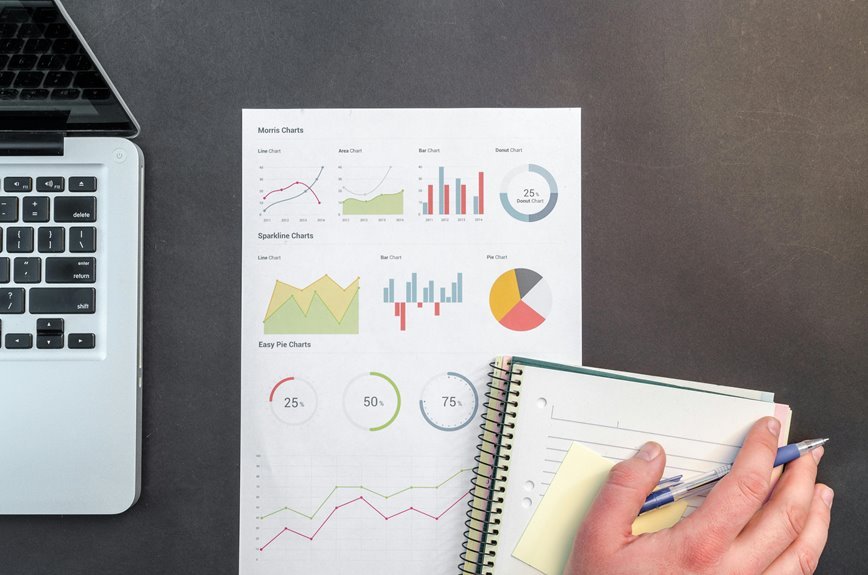
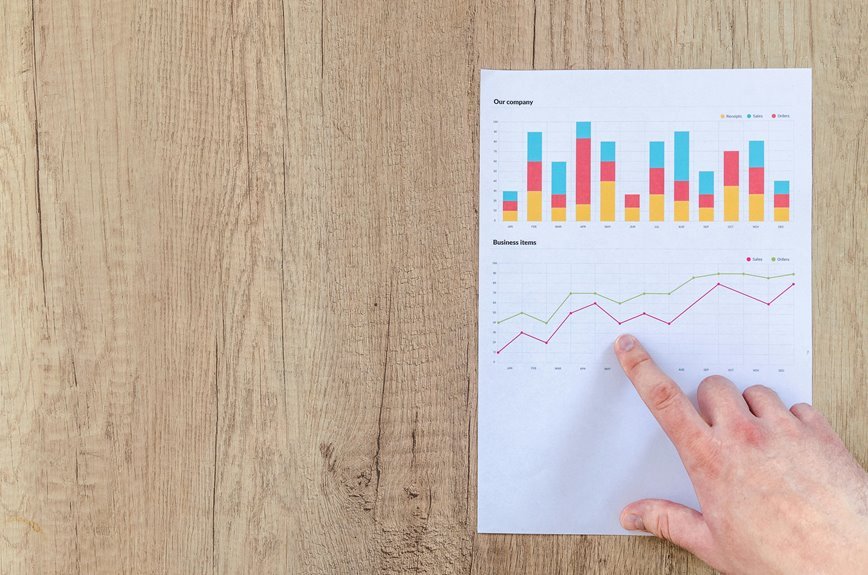
Simple charts, weekly summaries, and milestone records can make progress easier to notice. The software should also explain what each metric means. Numbers without context can frustrate users or encourage unhealthy comparisons.
This is also where thoughtful fitness app development services can provide practical value. Product teams need to connect data, interface design, and user goals so information remains understandable instead of overwhelming.
Connecting Wearables and Health Data
Many people already track activity through smartwatches, fitness bands, or built-in phone sensors. Connecting those systems reduces manual entry and makes tracking more convenient.
Integration should remain optional. Some users prefer entering information themselves, while others may not want to share health data across several services. Clear permission controls help people understand which information they are sharing.
Developers also need to handle syncing carefully. Duplicate workouts, missing steps, or delayed updates can reduce trust quickly. A reliable system should show when information was last updated and provide a way to correct errors.
Social Features Can Help or Distract
Social features can encourage consistency, but they do not suit every audience. Challenges, friend activity, group goals, or trainer feedback may help some users feel more accountable.
Public rankings can have the opposite effect for beginners. Someone returning to exercise may prefer private goals rather than comparing performance with experienced athletes. Flexible privacy settings allow each person to choose how social the experience becomes.
Community tools also require moderation. Shared photos, comments, messaging, and group discussions can create privacy or safety concerns when they are poorly managed.
Designing for Different Fitness Levels
A beginner and an experienced athlete rarely need the same level of detail. Beginners may want exercise demonstrations, rest reminders, and simple goal choices. Experienced users often need advanced tracking, customized routines, and more detailed performance data.
A fitness app should make both paths easy to understand. Onboarding questions can identify experience level, equipment, preferred activities, and available workout time. Those answers can improve early recommendations without creating a lengthy setup process.
Accessibility deserves equal attention. Readable labels, captions, clear contrast, larger text options, and simple controls can make digital fitness products easier to use for a wider audience.
Privacy and User Trust Matter
Fitness products can handle personal information such as body measurements, activity history, location details, and health-related records. Users need clear explanations about what information is collected and why.
Responsible privacy practices include collecting only necessary data, securing stored information, explaining permissions, and providing useful account controls. People should also have reasonable options to review, update, or remove their data.
Trust depends on product messaging too. Health software should not promise guaranteed weight loss, dramatic physical changes, or medical results. Individual outcomes depend on many factors, including habits, health conditions, diet, sleep, and training consistency.
Free, Subscription, and Coaching Models
Digital fitness products use several business models. Free versions may rely on advertising, optional upgrades, or limited premium tools. Subscription plans often provide structured programs, advanced analytics, personalization, or larger content libraries.
Some platforms offer access to trainers or individual coaching. That approach can provide additional guidance, although the cost is normally higher. The right model depends on the target audience and the value delivered over time.
Pricing should remain easy to understand. Confusing trial conditions, unexpected renewals, or unclear feature limits can damage user trust even when the product itself works well.
Choosing the Right Digital Fitness Tool
Start with the goal you actually want to achieve. Someone training for a 5K needs different tools from a person building a strength routine at home.
Before paying for a subscription, check whether the platform supports activities you genuinely enjoy. Review device compatibility, privacy controls, workout flexibility, and cancellation terms. A free trial can also show whether the interface fits naturally into your routine.
The most useful product is usually the one that removes friction. If tracking feels simple and the guidance works with your schedule, maintaining consistent habits becomes easier.
Building Fitness Products People Keep Using
Long-term success comes from usefulness rather than novelty. A product earns repeat use when it helps people make better decisions without adding unnecessary work.
Teams creating new platforms should focus on a clear audience, reliable performance, and a small set of valuable features before expanding. Experienced fitness app development services can support that process by translating user needs into practical workflows, integrations, and scalable product features.
A well-designed fitness app should feel straightforward even when the technology behind it is complex. Smooth planning, useful tracking, sensible personalization, and clear feedback can turn a digital product into a practical part of a sustainable fitness routine.