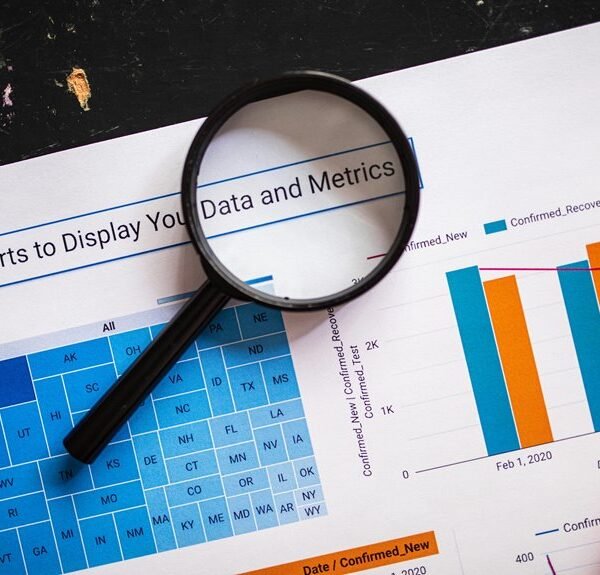
The Corporate Intelligence & Global Business Report presents critical insights for identifiers 27440, 2166060817, 2668978, 613270332, 659622291, and 621286502. It underscores essential metrics such as market share and revenue growth. These indicators are vital for organizations aiming to improve their strategic positioning in international markets. The report raises questions about how businesses can effectively leverage data-driven decision-making to adapt to evolving global challenges. The implications of these insights warrant further exploration.
Key Metrics for Global Business Success
In the realm of global business, key metrics serve as vital indicators of organizational performance and market positioning.
Effective market expansion relies on comprehensive competitive analysis, which identifies strengths and weaknesses relative to rivals. Metrics such as market share, revenue growth, and customer acquisition rates provide essential insights, enabling businesses to adapt strategies and optimize operations, thereby enhancing their competitive edge in dynamic environments.
Analyzing Identifiers: Trends and Insights
How do organizations effectively identify and leverage emerging trends within global markets?
By analyzing identifier patterns across diverse datasets, firms can enhance market segmentation strategies. This analytical approach reveals consumer preferences and shifts, enabling businesses to adapt swiftly.
Understanding these trends fosters responsiveness and innovation, ultimately allowing organizations to harness opportunities in competitive environments while promoting informed decision-making and agile strategies.
Strategic Positioning in International Markets
What factors contribute to successful strategic positioning in international markets?
Effective market entry strategies and a clear understanding of local competitive landscapes are crucial. Companies that identify unique value propositions can achieve competitive advantage.
Additionally, adapting to cultural nuances and regulatory environments enhances market penetration.
Ultimately, a well-defined strategic approach enables firms to navigate complexities and optimize their global presence.
Leveraging Data-Driven Decision Making
Strategic positioning in international markets increasingly relies on data-driven decision making to enhance competitiveness and operational efficiency.
Organizations utilize data analytics to inform decision frameworks, enabling them to identify trends, optimize resources, and mitigate risks.
This approach empowers businesses to adapt swiftly to market changes, fostering innovation and strategic agility, which are essential for thriving in a dynamic global landscape.
Conclusion
In conclusion, the Corporate Intelligence & Global Business Report underscores a critical coincidence: organizations that prioritize data-driven decision-making consistently outperform their competitors in international markets. By aligning their strategies with key metrics such as market share and revenue growth, these businesses not only navigate global complexities but also seize opportunities for customer acquisition. This analytical approach reveals that success is not a matter of chance but a deliberate outcome of informed choices in the face of evolving market dynamics.