The Global Business Intelligence & Performance Review Bulletin highlights critical trends in data utilization across various sectors. It presents industry-specific performance metrics that guide decision-making. Emphasis is placed on the importance of predictive analytics for operational efficiency and innovation. Organizations must adapt to these insights to maintain competitive advantage. As the landscape shifts, understanding the implications of these findings becomes vital for sustained growth. What strategies will emerge as essential in this evolving environment?
Key Trends in Global Business Intelligence
As businesses increasingly rely on data-driven decision-making, key trends in global business intelligence have emerged to shape the landscape of organizational strategy.
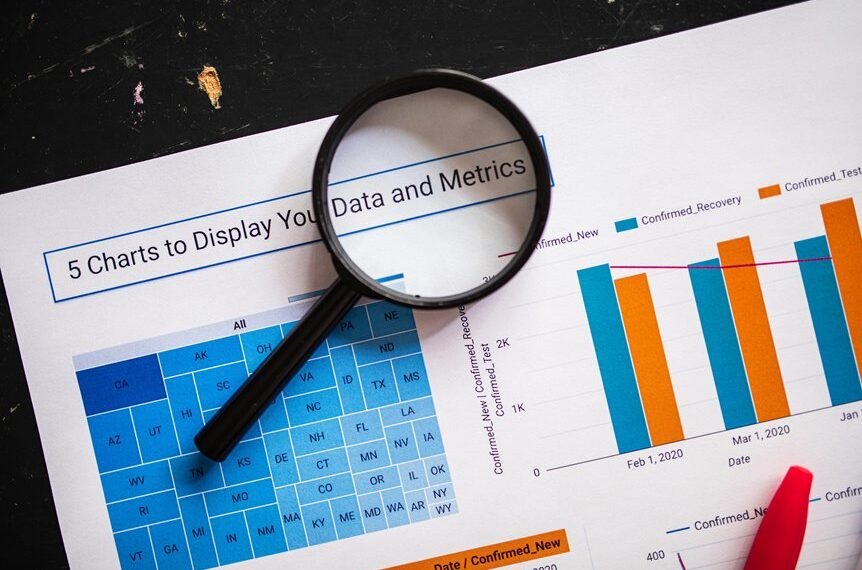
Notably, data visualization techniques enhance comprehension of complex datasets, fostering informed decisions.
Concurrently, predictive analytics empowers organizations to forecast future trends, driving proactive measures.
Together, these trends create a robust framework that promotes agility and innovation in a rapidly evolving market environment.
Industry-Specific Performance Metrics
Data-driven decision-making has prompted organizations to adopt industry-specific performance metrics tailored to their unique challenges and objectives.
By aligning with industry benchmarks, these performance indicators provide critical insights into operational efficiency and strategic alignment.
This targeted approach empowers businesses to gauge their effectiveness against competitors, ultimately fostering a culture of continuous improvement and informed decision-making that drives success within their respective sectors.
Actionable Recommendations for Growth
To foster sustainable growth, organizations must implement actionable recommendations that are informed by data-driven insights and aligned with their strategic objectives.
Prioritizing market expansion through targeted strategies can enhance competitive positioning.
Leveraging customer insights enables firms to tailor offerings, thereby increasing customer satisfaction and loyalty.
Enhancing Operational Efficiency Through Analytics
While many organizations strive for growth, enhancing operational efficiency through analytics remains a critical yet often underutilized strategy.
By leveraging data visualization techniques and predictive modeling, businesses can identify inefficiencies and optimize processes.
These analytical tools provide actionable insights, empowering organizations to make data-driven decisions, reduce costs, and improve overall productivity, ultimately fostering a culture of continuous improvement and operational excellence.
Conclusion
In conclusion, the evolving landscape of global business intelligence demands that organizations stay ahead of the curve by embracing data-driven strategies. As the saying goes, “the proof of the pudding is in the eating,” highlighting the necessity of implementing actionable insights and performance metrics. By continuously monitoring key indicators and leveraging analytics, businesses can not only optimize operational efficiency but also ensure sustained growth and customer loyalty in a competitive market.