The landscape of global corporate insights and business analytics for companies such as 22903200, 931776448, 211164317, 690051534, 653422589, and 986437062 reveals a complex interplay of strategic initiatives and data utilization. These organizations are increasingly focused on optimizing their operations through advanced analytics. Their approaches raise important questions about the effectiveness of current strategies and the potential for future growth in an ever-evolving market environment. What innovative tactics might emerge next?
Overview of Identified Corporations
As organizations navigate the complexities of the global market, an analysis of the identified corporations reveals significant trends and strategic approaches that define their operations.
The corporate profiles showcase diverse market positions, reflecting adaptability in competitive landscapes.
Analyzing Strategic Approaches
While the business landscape continues to evolve, the strategic approaches adopted by corporations play a crucial role in determining their success.
Effective market positioning often hinges on forming strategic partnerships, enabling companies to leverage complementary strengths.
This collaborative approach not only enhances innovation but also optimizes resource allocation, ultimately fostering competitive advantages in an increasingly dynamic environment.
Leveraging Business Analytics for Competitive Advantage
Strategic partnerships can be significantly enhanced through the effective use of business analytics, which provides organizations with the tools to harness data-driven insights.
By employing predictive modeling, companies can forecast trends and optimize their strategies.
Additionally, analyzing performance metrics enables businesses to measure success and identify areas for improvement, ultimately fostering a competitive advantage in an ever-evolving marketplace.
Case Studies of Data-Driven Decision Making
Data-driven decision making has transformed the operational landscape of numerous organizations, illustrating the profound impact of analytics on strategic choices.
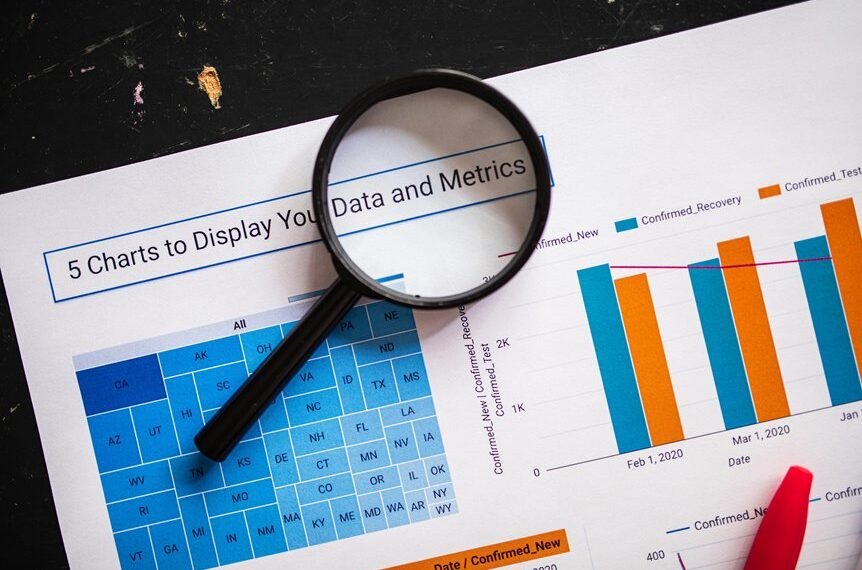
Through effective data visualization, companies have enhanced their ability to interpret complex data sets.
Additionally, predictive modeling has empowered leaders to forecast trends and make informed decisions, ultimately driving efficiency, innovation, and responsiveness in an increasingly dynamic market environment.
Conclusion
In a world where data reigns supreme, the irony lies in the fact that these corporations, despite their advanced analytics capabilities, remain tethered to the whims of unpredictable markets. Their strategic partnerships and innovative approaches, while impressive, often reveal a paradox: as they strive for operational efficiency, they may inadvertently cultivate rigidity. Ultimately, the quest for competitive advantage through data-driven decision-making underscores a fundamental truth—success in business is as much about adaptability as it is about analysis.